

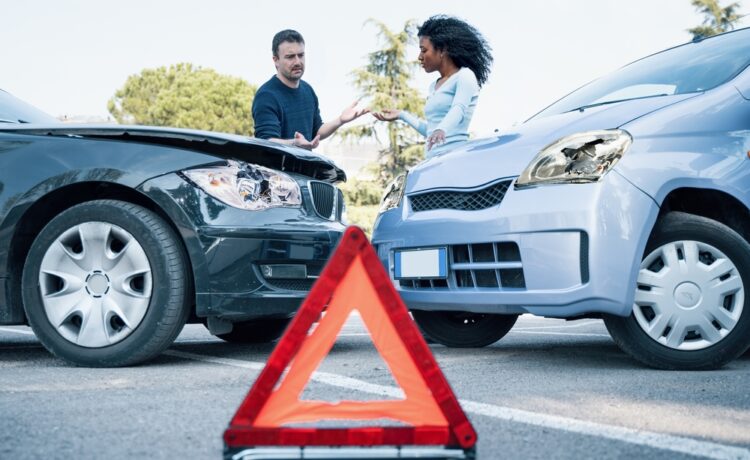
Accidents are unexpected and often life-changing events that can occur in various environments, from roads and workplaces to homes and public spaces. While some may be minor, others lead to severe injuries, financial loss, and long-term consequences. Understanding the root causes, effects, and prevention strategies of accidents is essential for building safer communities and reducing risks. This article explores every dimension of accidents in detail, with a particular focus on their impact in the UK.
What is an Accident?
An accident is defined as an unforeseen and unplanned event that results in injury, damage, or loss. Unlike deliberate harm, accidents occur without intention, though many can be traced back to negligence, lack of awareness, or unsafe conditions. Common types of accidents include:
-
Road traffic accidents involving vehicles, pedestrians, and cyclists
-
Workplace accidents caused by unsafe practices or environments
-
Domestic accidents such as slips, trips, and falls at home
-
Public accidents in shops, parks, or other communal areas
Understanding the context in which an accident occurs helps in applying appropriate safety measures and prevention strategies.
Common Causes of Accidents
Accidents rarely happen without a trigger. The underlying causes often highlight patterns that can be addressed to reduce risks.
Human Error
Human error is one of the leading contributors to accidents. In road traffic incidents, this includes speeding, distracted driving, or misjudging distances. In workplaces, errors may result from fatigue, lack of training, or ignoring safety guidelines.
Environmental Factors
Weather conditions such as rain, snow, or fog increase accident risks, particularly on UK roads. Similarly, poorly maintained premises with uneven floors or inadequate lighting can contribute to slips and falls.
Equipment and Mechanical Failures
Faulty machinery, poorly serviced vehicles, or worn-out tools often play a role in accidents. Regular maintenance is critical to preventing these types of failures.
Negligence and Lack of Safety Measures
When organisations or individuals fail to uphold safety standards, the likelihood of accidents rises. This may include ignoring health and safety protocols, failing to provide protective gear, or overlooking workplace hazards.
Types of Accidents and Their Impact
Road Traffic Accidents
Road accidents are among the most common and serious types of accidents in the UK. They affect drivers, passengers, cyclists, and pedestrians alike. Consequences range from minor injuries to life-threatening trauma and even fatalities. Beyond physical harm, victims often face psychological distress and financial burdens.
Workplace Accidents
Industries such as construction, manufacturing, and healthcare are particularly prone to workplace accidents. Injuries may include fractures, burns, or repetitive strain conditions. The financial cost of workplace accidents can be significant, affecting both employees and employers.
Domestic Accidents
Homes are not free from risks. Falls from stairs, burns in the kitchen, or accidents involving children are common examples. While many domestic accidents may seem minor, they can still lead to long-term health complications.
Public Accidents
Slips, trips, and falls in public places are a frequent cause of personal injury claims in the UK. Whether it occurs in supermarkets, pavements, or leisure centres, the responsibility often lies with the property owner or managing authority to maintain safe conditions.
The Financial and Emotional Consequences of Accidents
Accidents have far-reaching consequences beyond immediate physical harm.
-
Medical expenses: Hospitalisation, surgeries, and rehabilitation costs can place a heavy burden on victims.
-
Loss of income: Time off work during recovery may result in reduced earnings or job insecurity.
-
Emotional trauma: Anxiety, post-traumatic stress, and depression often follow serious accidents.
-
Family strain: Dependents and caregivers may also experience emotional and financial stress.
In some cases, victims may seek compensation to cover these losses, making awareness of legal rights important.
Accident Prevention Strategies
Road Safety Measures
-
Obeying speed limits and traffic signals
-
Avoiding distractions such as mobile phones while driving
-
Regular vehicle maintenance checks
-
Promoting awareness campaigns on safe driving
Workplace Safety Practices
-
Providing proper training and equipment to staff
-
Conducting routine safety inspections
-
Enforcing protective gear policies
-
Ensuring compliance with UK Health and Safety regulations
Domestic Safety Measures
-
Installing smoke detectors and fire alarms
-
Child-proofing hazardous areas in the home
-
Using slip-resistant mats in bathrooms and kitchens
-
Keeping first aid kits accessible
Public Safety Enhancements
-
Maintaining pavements, walkways, and public facilities
-
Installing adequate lighting in communal spaces
-
Regular inspections of public infrastructure
-
Clear signage for potential hazards
Legal Considerations Around Accidents
Victims of accidents often have the right to seek compensation if negligence can be proven. This involves establishing duty of care, breach of that duty, and resulting harm. For example:
-
Employers have a duty to provide a safe working environment.
-
Local councils are responsible for maintaining safe pavements and roads.
-
Drivers are required to operate vehicles responsibly to avoid harming others.
In the UK, accident claims often involve detailed investigations, medical reports, and evidence to prove liability.
The Role of Emergency Response
Quick and effective emergency response can reduce the severity of an accident’s consequences. The UK emergency services, including paramedics, fire services, and police, play a critical role in providing immediate assistance. First aid knowledge among bystanders can also make a life-saving difference before professional help arrives.
Building a Culture of Safety
Preventing accidents requires more than just laws and regulations. It calls for a culture where safety is prioritised in everyday actions. Schools, workplaces, and communities must educate individuals about risks and safety practices. Employers should encourage reporting of hazards, and households should foster awareness about domestic risks. Small changes in daily behaviour can collectively reduce accident rates significantly.
FAQs on Accidents
What is the most common type of accident in the UK?
Road traffic accidents and slips, trips, and falls are among the most common accidents reported across the UK.
How long after an accident can you claim compensation?
In most cases, there is a three-year limit from the date of the accident or from when the injury was first recognised. Exceptions apply in certain circumstances, such as cases involving children.
Can minor accidents still have long-term effects?
Yes, even seemingly minor incidents like whiplash or slips can result in chronic pain or mobility issues if not treated properly.
What should I do immediately after an accident?
Seek medical attention first, even if injuries seem minor. Collect evidence such as photos and witness details, and report the accident to the relevant authority.
How can employers reduce the risk of workplace accidents?
Employers should provide training, enforce protective equipment use, maintain equipment, and ensure compliance with health and safety laws.
Are children more vulnerable to accidents?
Yes, children are particularly at risk in both domestic and public settings due to their curiosity and limited awareness of danger. Extra safety measures should be taken in environments where children are present.